I know a spot
🔭 Spot Scout — I built a tool that automates this process using terrain analysis, satellite imagery, and algorithmic scoring to find hidden gems anywhere in the world. Check it out →
One of my favorite things to do when I travel (or even in general) is to discover places for myself. Of course, very little land nowadays is completely untouched but from my perspective, it still feels like an exploration. Couple that with my love for maps, and you have a mini treasure hunt, where my prize is experiencing what a place feels like in real life, that I’ve only known virtually.
I plan for spots that I want to go to, sure, but I also take up quests when I am actually there— “Where does that dirt road go?” “What if I take this treacherous rocky hike to the lake instead of the marked trail?” Questions like these run through my mind continuously, and I give in very easily.
One welcoming outcome of these traits is that I end up in spots that appeal to me: mentally, because I have satisfied the bug in my head to venture into the unknown and spiritually, because of what I experience on the other side.
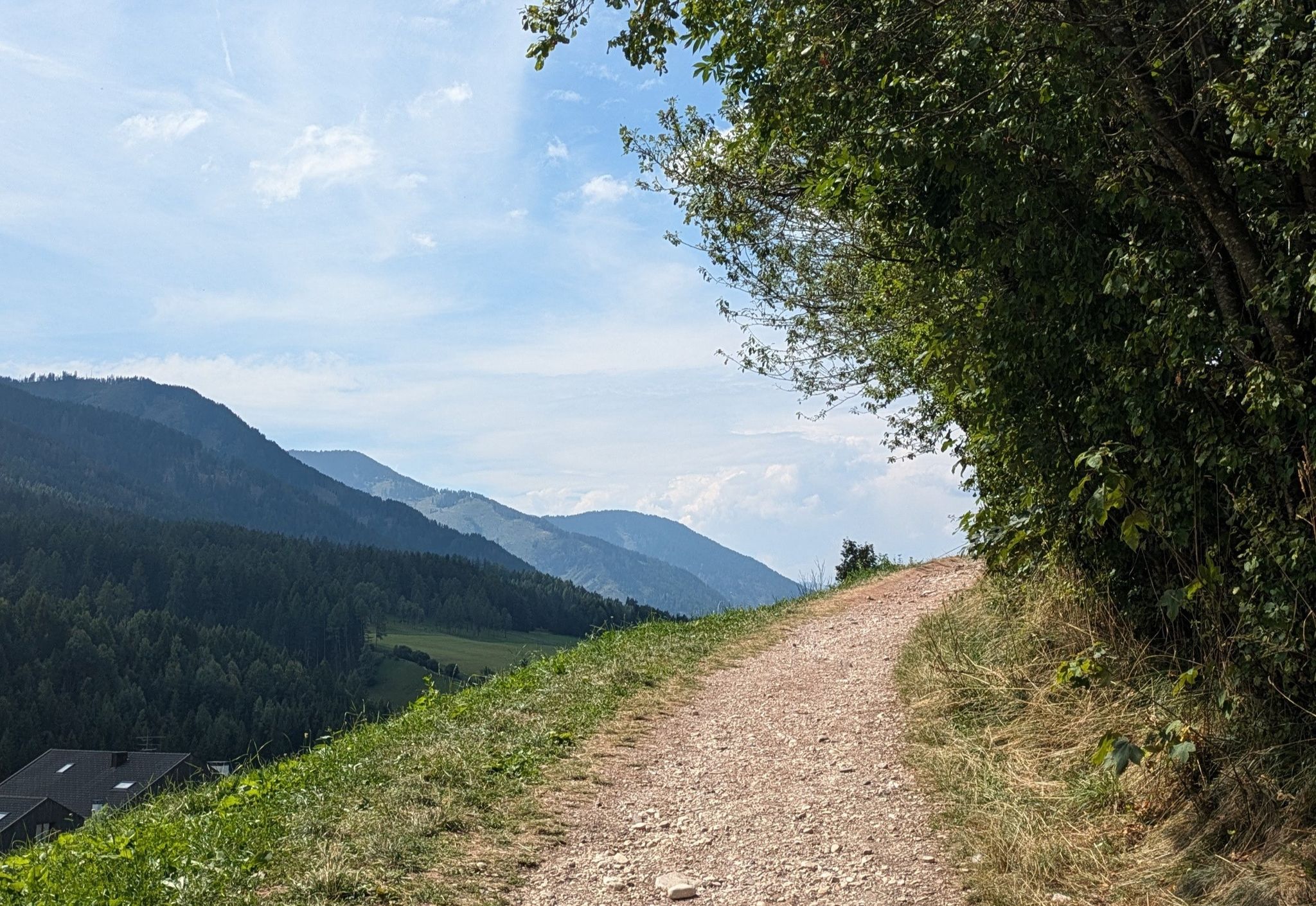
I’m writing this page as an introduction to a chapter on all that I’ve found over the course of my many trips; for myself and for my readers. I’ll take care not to spoil it for you too much, in case you wanna go explore them yourself, but to be honest, I’d just encourage you to take the posts in this series as nothing more than inspiration to run wild and find new spots. You will find the list on the bottom of this page, but for now, let me tell you how I found them in the first place.
How do I know a spot
Personally, I’m very happy with what I have discovered so far, and I think it’s easy to go off the trodden path and carve your own maps but there are some tips that I use, and I would like to share them here.
Know your directions
When you are travelling to a new location, it’s natural that you don’t know all the roads, don’t know where the coast is and such. One thing that helps me is knowing the directions. Especially when you wanna venture outside of your known path and still want to end up in the right location, staying true to your north star becomes very important.
Let’s do an exercise. We’ll do more of these throughout this post and the ones that come after because not adding maps to this series would be criminal, imo.
Okay, so I want to go cliff jumping (yes) in this island in Greece, which is in the very north (the orange swimming icon at the top of the map). But I plan to explore the villages and small towns near Alkyes (the blue pin marker) as well; what path do I take?
One obvious route is to head west to Orthonies; this is because you also get to drive around the hills and through green uninhabited lands, potentially leading to more wonderful spots, who knows. This route also doesn’t cost you a lot of time.
❔ However, would you then be tempted to go explore Maries next?
Without the knowledge of directions, that’s an easy mistake to make. When you are on the road and exploring, it is trivial to lose track of time and roads which might cost you your desired destination, if you have limited time. Going to Maries doesn’t serve your objective to head north ultimately and you would end up retracing your path, which is very inefficient, and we don’t like inefficient things in this house.
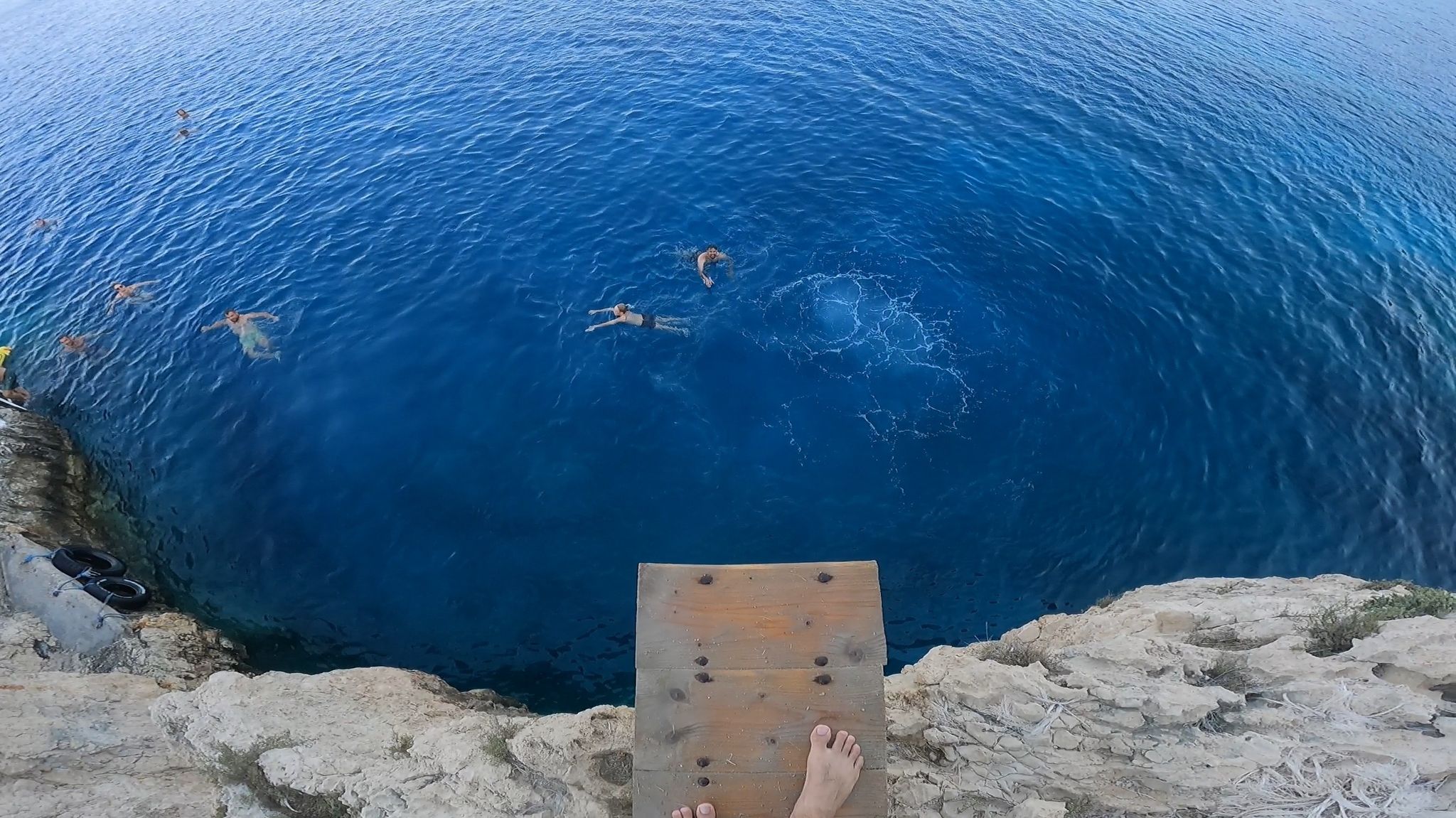
In addition to helping you select towns, directions also give you the confidence to take some risks and drive around the area, take weird exits, all while making sure you don’t end up going too south and far from the cliff jumping spot.
How do you keep directions?
Just look up at the sky like our ancestors did (unless it’s cloudy and then you pull the phone out like a normie). The position of the sun really helps you know where you are headed and if it’s going to be dark soon (which will also help you in the sunset quest in the next section). You can also use big natural elements like a mountain to keep track of where you are. For example, in the trip above, if the hills appear on your right when you are driving, you’re heading north and vice-versa. Easy peasy.
Know the high-level map of your area
What I mean here is that you should know what the area you are in looks like from space. Where is the coast? How is the coast shaped? Where are the hills? I’ll tell you why this is important through another quest: this time it’s about sunsets, something that no one wants to miss, so pay attention.
Okay I’m with my group of friends chilling on an island with good food (and other good stuff). It’s late afternoon and you feel like it would be a great idea to watch the sunset while you continue chilling. Where do I go, assuming I’m at the Chaweng Beach (the blue pin marker)?
After the section above, if you now know your directions well, you will head to the west coast as the sun sets in the west. No brainer, boom! But usually, there are more factors that have a say in where you go. How much time do you have? How gratifying would a long drive to the west be? Can you convince all of your friends to take the plunge with you?
If you know what the geography of Samui looks like by studying its map, you will realize that there’s a spot in the north-east, near Thongson Beach which also has a west coast! The bay to the west of Thongson Beach is big enough to give you the limitless horizon view and it’s not super far from where you are too. Perfect! All you need to do now is head north-east, keeping an eye on the sun, figuring out how much time you have left and then running wild to find a spot that’s away from public while still facing the setting sun. I write more on this specific spot in the Sunset in Samui page (which will be up soon).
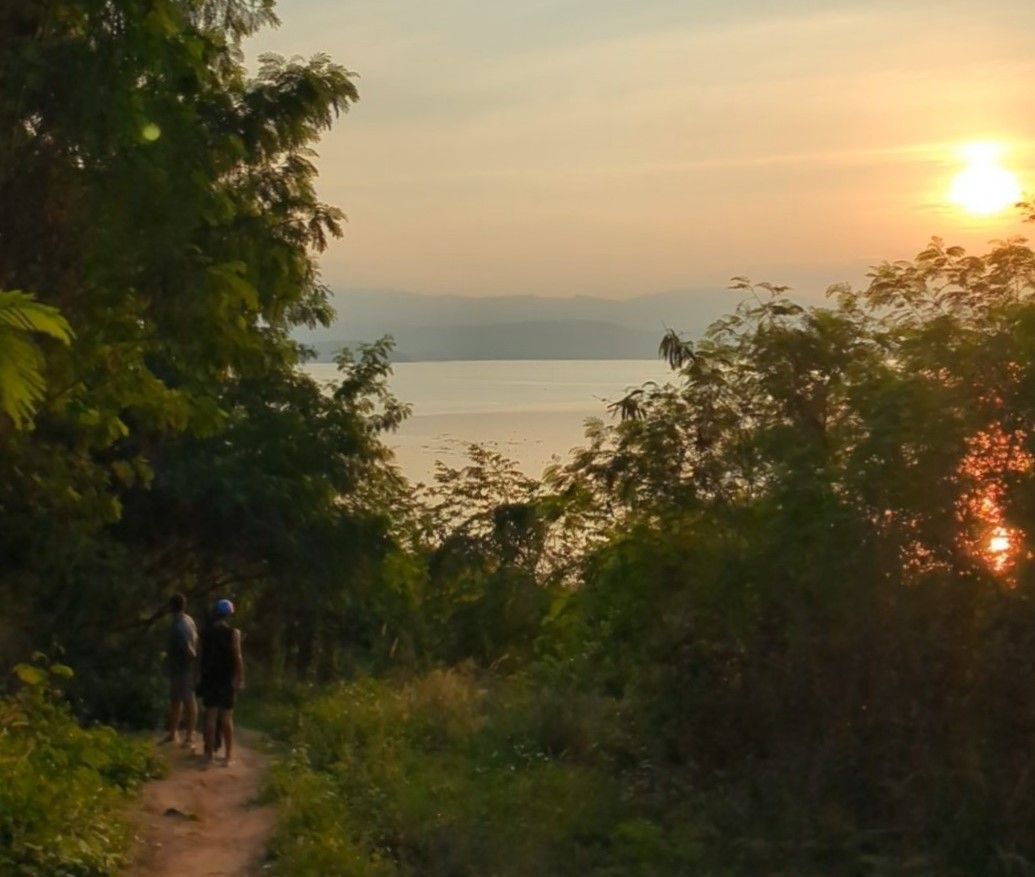
How should I do this?
Spend some time on your map before you go to a place. You can do it on the bus, on the ferry, or on the plane— it doesn’t take too long. All you need is an idea of what the place has to offer and where, geographically, would the most treasures lie; something that will help you with the next section too.
Take paths that will reward you (potentially)
Come on, this is general life advice 🥰. You should never go after people that don’t bring value to you; it’s okay to take risks and I even encourage it but take risks on people that are worth losing your head over. More on this in my upcoming life blog but I digress— this applies equally well to geography and trips.
Okay, quest time! Let’s say you wanna get to your camping spot in the Dolomites and it’s close to Cortina d’Ampezzo (one hell of an old-money town). You’re starting from Venice and you put the directions on, and this is the route it shows you. What do you do?
Put your music on and follow the maps God? Absolutely not!
When you have the liberty of taking your car wherever you want, you should make full use of it. Zoom in on the route and explore the map around the provided directions a bit, especially in the mountainous Dolomites region. Find something you like?
If you go to Auronzo on the map, you will see a brilliant blue lake right in the path of the highway. The town looks pretty from the satellite too and you should then spend some time exploring the Street View imagery to make sure your hunch is right. It is clear that taking the route through Auronzo is going to add a lot of value to your trip.
In addition to Auronzo, there are two more lakes, one in Misurina and the other near Calalzo di Cadore which you can also stop to explore.
The road from Auronzo to Cortina has steeper mountains closer to the road as compared to our usual route, which would guarantee more majestic views.
If you’re arriving at Cortina in the evening, travelling west would also mean that you face the beautiful mountain sunset while you drive, as a bonus 😉
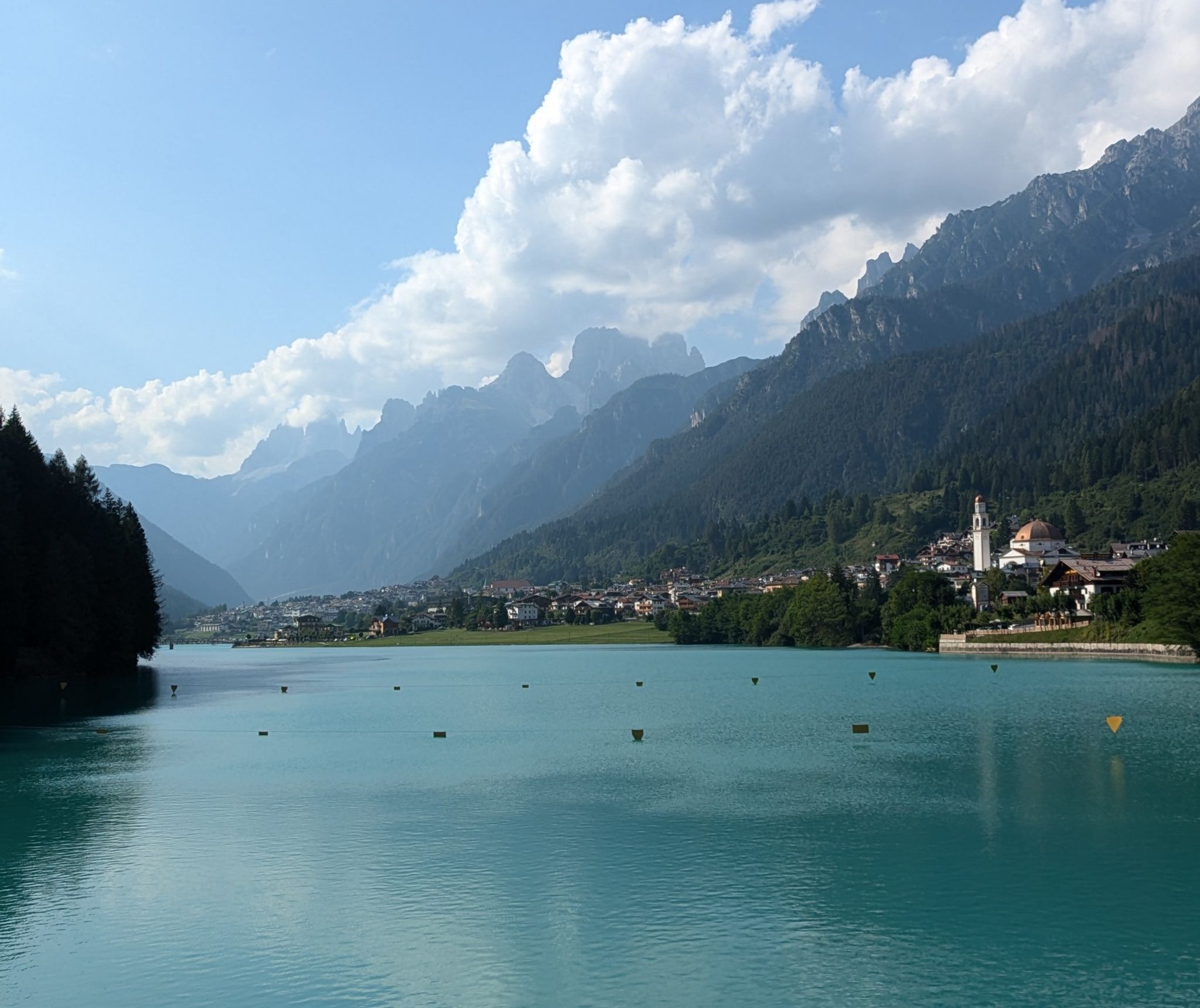
In general, explore the geography of the area you’re travelling to, on a deeper level than just knowing where the coast is (for example). Choose paths that have greater forest cover, more lakes, better looking towns, or a beach. This amplifies the chances of you accidentally running into your own little spot that you can be proud of.
Check out all the spots that I love!
I’ll be more than happy if you find something you like out of all the spots I have documented under this chapter and would like to go explore them yourself or with loved ones. As I travel (and find time), I’ll add to this list, potentially also places that I haven’t yet been to but feel would be great spots to explore. Feel free to use the comments to suggest where to look next, or if you have any more tips than what I talked about in this post 🫶